Iran under attack. Canada’s housing crisis. Our best profiles of notable women.

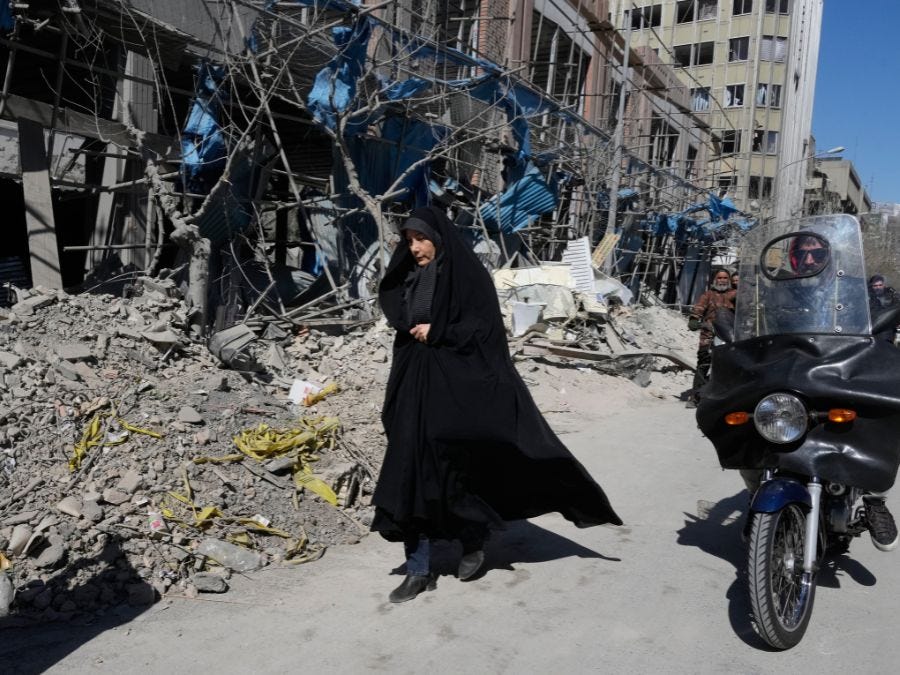
Faith groups weigh in on Middle East war
By Nicole Schmidt
Hello Broadview readers,
This week, all eyes have been on Iran. On Feb. 28, following unsuccessful talks about the future of Iran’s nuclear program, the United States and Israel launched strikes on the capital, Tehran. Those strikes targeted — and ultimately killed — the country’s supreme leader, Ayatollah Ali Khamenei.
In response, Iran has launched missiles at Israel and several other Middle Eastern countries with U.S. military bases, including Jordan, the United Arab Emirates, Kuwait and Qatar. The Trump administration has since said the attacks could drag on for another four to five weeks — and possibly longer.
When the news first broke, my instinctive reaction was simple: war = bad. But watching the response — both within Iran and among diaspora communities across the West — it’s clear that the reality is far more complicated. The past few months under Iran’s current dictatorship have been some of the most violent in the country’s modern history, with tens of thousands likely killed in protests opposing the government.
In Tehran, after news of Khamenei’s death spread, mourners dressed in black packed into the city centre. Some wept, while others chanted “death to America; death to Israel.” Just a few blocks away, people danced in the streets, honking horns and setting off fireworks.
Back at home, the reaction has been similarly mixed. In Richmond Hill, Ont., more than 40,000 people gathered over the weekend for a rally in support of regime change. One Iranian-Canadian told CBC that the U.S./Israeli interception was “by far one of the happiest days ever.”
Faith communities are wrestling with the same tensions. This week, we’ve rounded up statements from various religious organizations, including The United Church of Canada, which condemned the attacks, and the National Council of Canadian Muslims, which acknowledged Iran’s problematic dictatorship, but warned that military action will only “result in more death and chaos across the Middle East.” You can read all of the responses in full here.
As the conflict continues, those opposing views are unlikely to resolve any time soon. But two things can be true: democracy often comes at a cost and hope can still persist amid war.
What’s your stance on the recent military strikes in Iran? Share your thoughts with me, and I’ll feature a selection of responses in next week’s newsletter. You can email me at n.schmidt@broadview.org.
READER RESPONSE
Last week, in response to the situation unfolding in Iran (and our story about St. Jax Church in Montreal, which recently welcomed an influx of 140 Iranian congregants), we asked readers how churches can better support those affected by unrest in their home countries. Here’s what you had to say:
“A 5,000-year-old culture with a fusion of east and west, in a country of 90 million distorted in public view by the last 50 years. Sadly, as we know from previous situations like Libya and Iraq, removing the leadership leaves a vacuum. You won’t find social justice protests, community gatherings in clubs and institutions; there is nothing from which to build a new government.
I see churches as one of our frontlines for democracy. Specifically, though, we need to do our part in preventing ‘othering.’ Music, dance and literature are all great for sharing. Heck, maybe even a Bible study on Persia in the Bible.”
— John Ryerson, Toronto
BROADVIEW LIVE
FROM OUR MARCH/APRIL ISSUE
This Lent, I’m choosing friendship over spiritual gold medals
By Alydia Smith
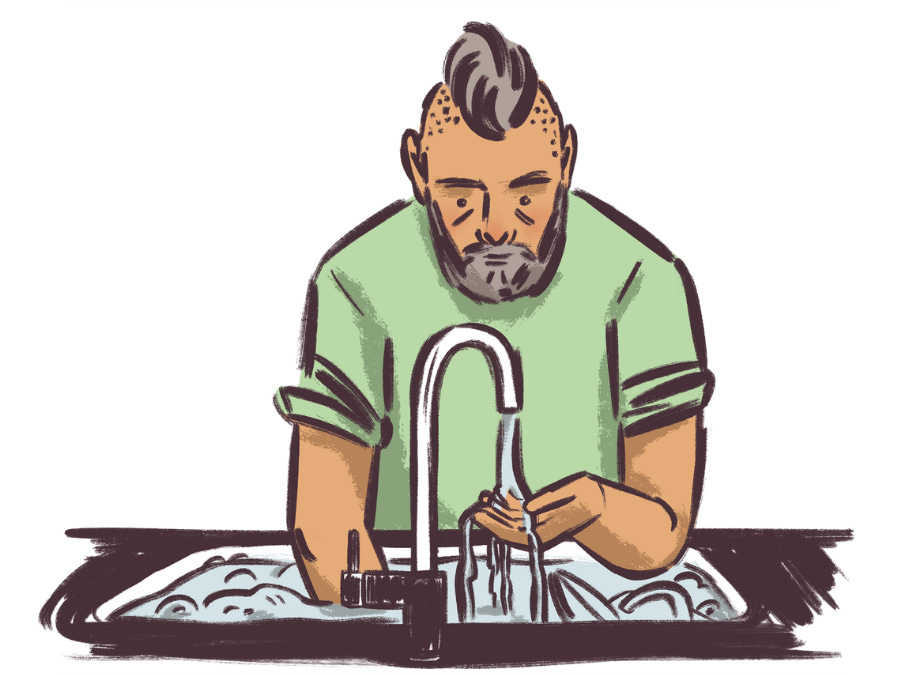
After years of overcomplicating her faith practice, a minister discovers that relationships — with Christ and others — matter more than achievement.
FROM OUR WEBSITE
Journalist Jessica Barrett on the keys to solving the housing crisis
By Christopher White

The author of “No Place Like Home” on moving away from a market-driven model.
FROM OUR MARCH/APRIL ISSUE
Canada’s children are breathing the climate crisis
By Paniz Vedavarz
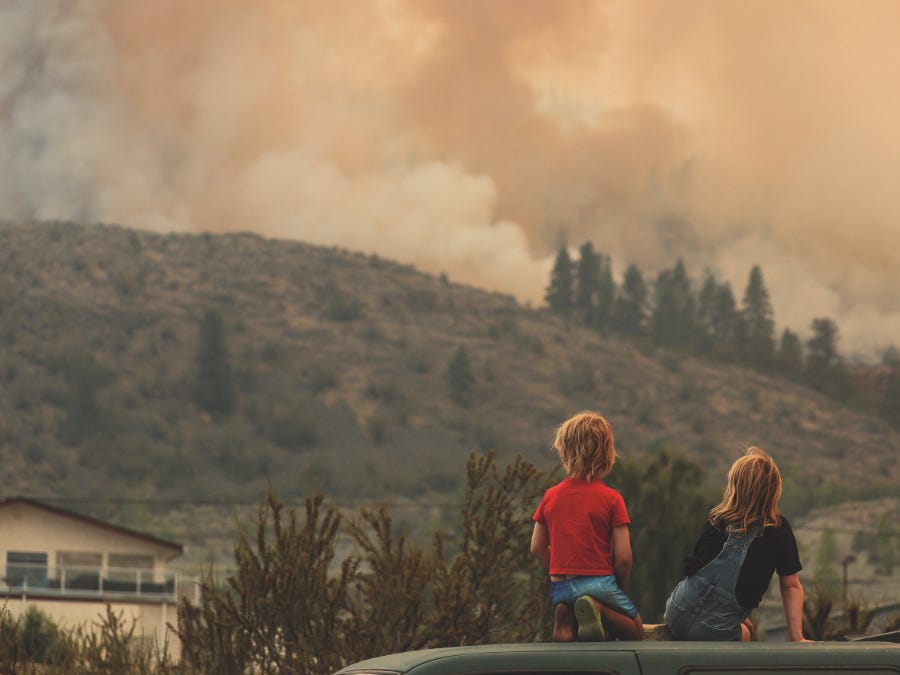
As smoke and heat intensify, doctors warn that kids lack protection.
FROM OUR ARCHIVES